 SHOP NOW
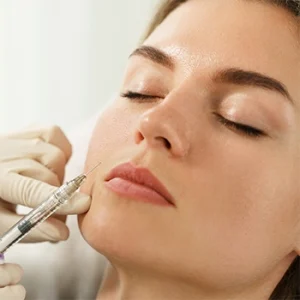
BOTOX is an injectable treatment that relaxes the facial muscles responsible for frown lines, crow’s feet, and forehead lines. The result is a smoother, refreshed look without surgery or downtime.
Frown lines show up even when you’re not frowning. Crow’s feet appear the moment you smile. If expression lines bother you every time you catch your reflection, BOTOX can soften them. It works without surgery or time away from your routine. Patients from Miami, Coral Gables, and across South Florida come to Dr. Tal T. Roudner, MD, FACS at Tal Roudner Plastic Surgery. He treats injectables with the same attention to proportion and balance he brings to surgery. The goal is a face that looks rested, not one that looks frozen.
- What Is BOTOX?
- How Does BOTOX Work?
- What Areas Can BOTOX Treat?
- Am I a Good Candidate for BOTOX?
- How Do I Prepare for BOTOX?
- What Happens During Your BOTOX Treatment?
- What Is Recovery Like After BOTOX?
- How Long Does BOTOX Take to Work, and How Long Does It Last?
- Can I Combine BOTOX With Other Treatments?
- Why Does It Matter Who Injects Your BOTOX?
- What Do Patients Ask Most About BOTOX?
- What Do Patients Say About Their Results?
What Is BOTOX?
BOTOX is a purified protein, injected into specific facial muscles, that temporarily relaxes them so the lines they create soften. It’s the brand name for onabotulinumtoxinA, and the FDA has approved it for three cosmetic uses: moderate to severe frown lines between the brows, crow’s feet, and forehead lines.
BOTOX is a prescription medication, not a spa product. A licensed clinician must evaluate you, determine dosing, and administer the injections.
It also helps to know what BOTOX is not. BOTOX does not add volume. It reduces the muscle activity that folds the skin, rather than restoring fullness that’s been lost. Many patients pair BOTOX with a volumizing treatment to address both at once.
How Does BOTOX Work?
Your facial muscles pull on the skin every time you frown, squint, or raise your brows. Over years, that repeated movement leaves lines that stay visible even at rest. BOTOX blocks the nerve signal that tells those muscles to contract, so the skin above softens and existing lines relax.
The effect isn’t permanent. As nerve signaling gradually returns, muscle activity resumes and lines reappear.
What Areas Can BOTOX Treat?
Many patients come in for the upper third of the face. The three areas covered by FDA approval are the ones Dr. Tal treats most often:
- Frown lines, the vertical creases between the brows
- Crow’s feet at the outer corners of the eyes
- Horizontal forehead lines
BOTOX also has separate FDA-approved uses, including chronic migraine and severe underarm sweating. Dr. Tal will tell you during your consultation whether your concern falls inside or outside approved cosmetic use.
Am I a Good Candidate for BOTOX?
Good candidates are healthy adults 18 or older who are bothered by lines that appear or deepen with facial movement. If your frown lines disappear when your face is relaxed, BOTOX is likely a good match.
Some patients are not candidates. FDA labeling advises against BOTOX if you:
- are allergic to any ingredient or have reacted to another botulinum toxin product
- have a skin infection at the planned injection site
- have ALS, myasthenia gravis, or Lambert-Eaton syndrome, which can raise the risk of serious side effects
- are pregnant or breastfeeding, in which case you should postpone treatment
Lines that stay visible when your face is completely at rest are static lines, and they respond differently. Depending on what Dr. Tal finds during your exam, a filler or a surgical option such as a Brow Lift may serve you better. He will tell you if BOTOX is the right tool.